

- June 24, 2025
- Watch Gonzo
- 0
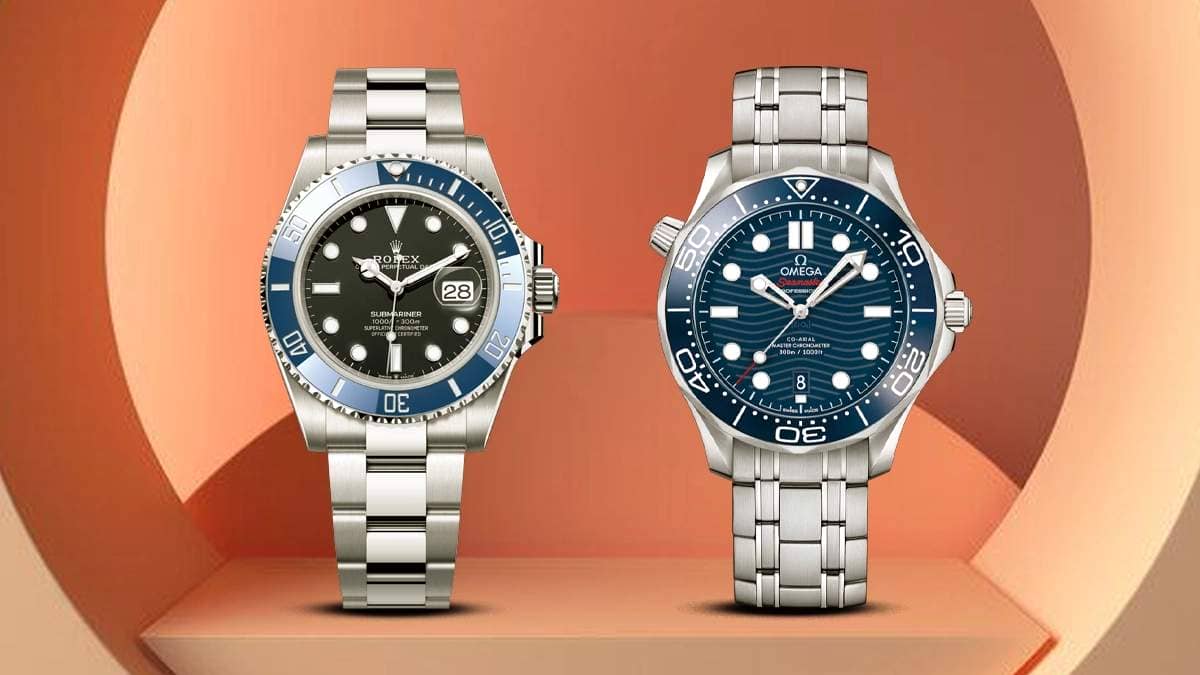
When we think of luxury watches, the first names that often come to mind are Rolex and Omega. These Swiss watch brands have solidified their reputation over decades, consistently producing timepieces that combine precision, durability, and style. But what exactly makes them stand out from the crowd? Let’s dive into the mechanics behind the luxury, technology, and heritage with a hearty battle of the Omega Seamaster vs Rolex Submariner to determine the better one!
Why Are Swiss Watches So Expensive?
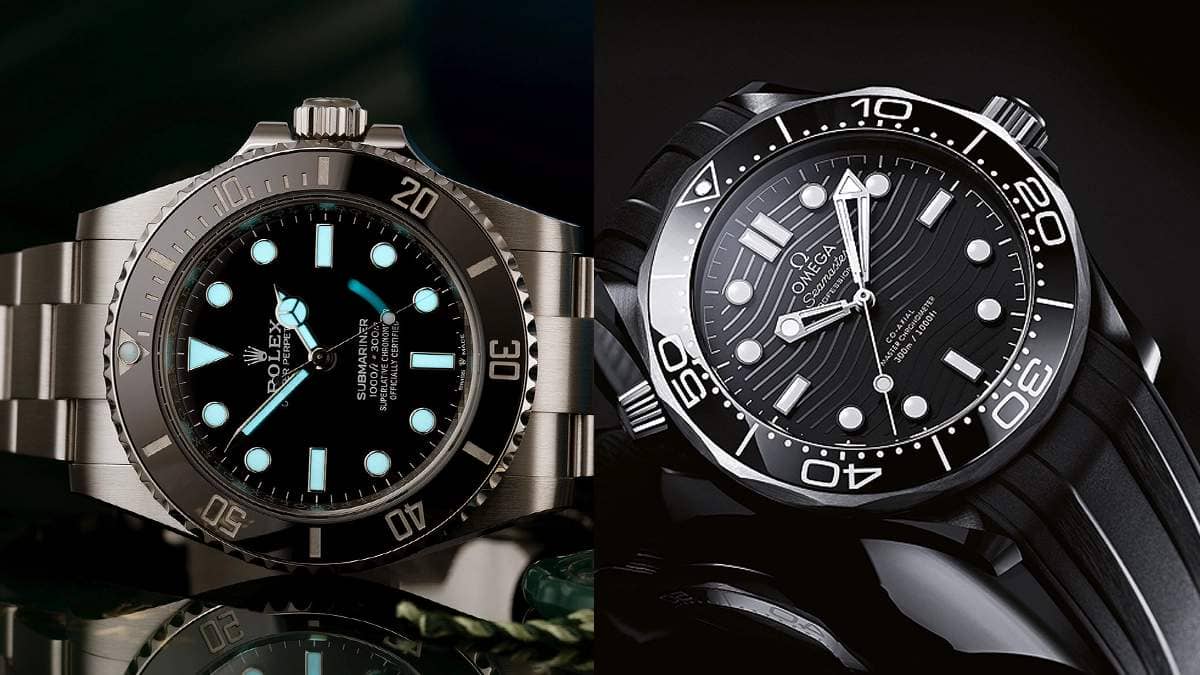
Swiss watches, particularly the likes of Rolex and Omega, come with hefty price tags that leave many wondering, “Why so expensive?” Let’s break down the reasons behind these high costs without diving into overly technical jargon.
Rigorous Quality Control
When we talk about Swiss watches, we’re not just talking about a fancy piece of metal on your wrist. These are finely crafted works of art, often handmade by skilled artisans. The attention to detail is second to none, with hours or even days spent assembling each component by hand. Whether it’s polishing the case or fine-tuning the movement, this meticulous process ensures that every watch is flawless.
Swiss brands, including Rolex and Omega, have a reputation for being perfectionists. They have their own set of stringent quality control measures, with some watches even earning COSC (Contrôle Officiel Suisse des Chronomètres) certification for accuracy. This level of precision requires more time, effort, and skilled labor, contributing directly to the higher price.
In-House Innovations
One major reason Swiss watches come with a steep price is the use of in-house movements. These proprietary movements are meticulously designed and crafted by the brands themselves. Think of it as a luxury car manufacturer designing its own engine instead of outsourcing it. Rolex, Omega, and other top Swiss watch brands invest millions to create and refine these movements, ensuring that every tick of the second hand is as precise as possible.
Additionally, these brands are pioneers in the world of watchmaking innovation. Features like tourbillons, minute repeaters, and perpetual calendars add not only to the functionality of the watch but to its overall cost. These features require specialized knowledge, rare materials, and an immense amount of time to perfect, raising the price further.
Exclusive Components
A Swiss watch is more than just a timekeeper—it’s a showcase of the finest materials. High-end components like 18k gold, platinum, titanium, and ceramic are commonly used, and even more affordable models feature sapphire crystals and stainless steel that contribute to their durability and luxurious feel.
Moreover, some Swiss watch brands, particularly Rolex, use high-grade 904L stainless steel, which is more difficult to work with than regular steel, driving up the cost. Additionally, the sourcing of rare materials like carbon fiber or diamond dust adds to the overall expense.
Brand Prestige
Swiss watches are synonymous with luxury, and much of that reputation comes from their rich history and tradition. For brands like Rolex and Omega, their legacy of producing high-quality watches spans back over a century, which adds a layer of perceived value. This isn’t just a watch; it’s a piece of history on your wrist.
Their exclusivity and status are maintained through high-profile sponsorships and marketing campaigns. Think of it this way: when you buy a Swiss watch, you’re not just buying a timepiece, but a symbol of status and prestige, which naturally commands a higher price.
Exclusive Availability
Ever noticed how waiting lists for popular models, especially Rolex, can extend for years? This scarcity creates an atmosphere of exclusivity. Many Swiss watch brands intentionally limit production to maintain this aura of luxury. Additionally, limited-edition releases are often sold at premium prices due to their rarity, making them even more desirable to collectors.
Expertise Costs
The Swiss watchmaking industry is built on a foundation of expertise. The craftsmen who create these watches are highly trained specialists, and their labor isn’t cheap. Whether it’s assembling complicated movements or performing intricate finishing touches, the labor cost adds up.
For complicated models, like chronographs or those with perpetual calendars, the labor involved can be extensive. But with the expertise comes unparalleled craftsmanship, which is reflected in the price.
Investment Factor
Swiss watches are often considered an investment. They’re built to last for decades, sometimes even generations. Many models actually appreciate in value over time, making them a smart investment for those who have the foresight. This longevity, combined with excellent after-sales service and warranties, ensures that your Swiss timepiece will remain in pristine condition for years, if not decades, to come.
Omega Seamaster
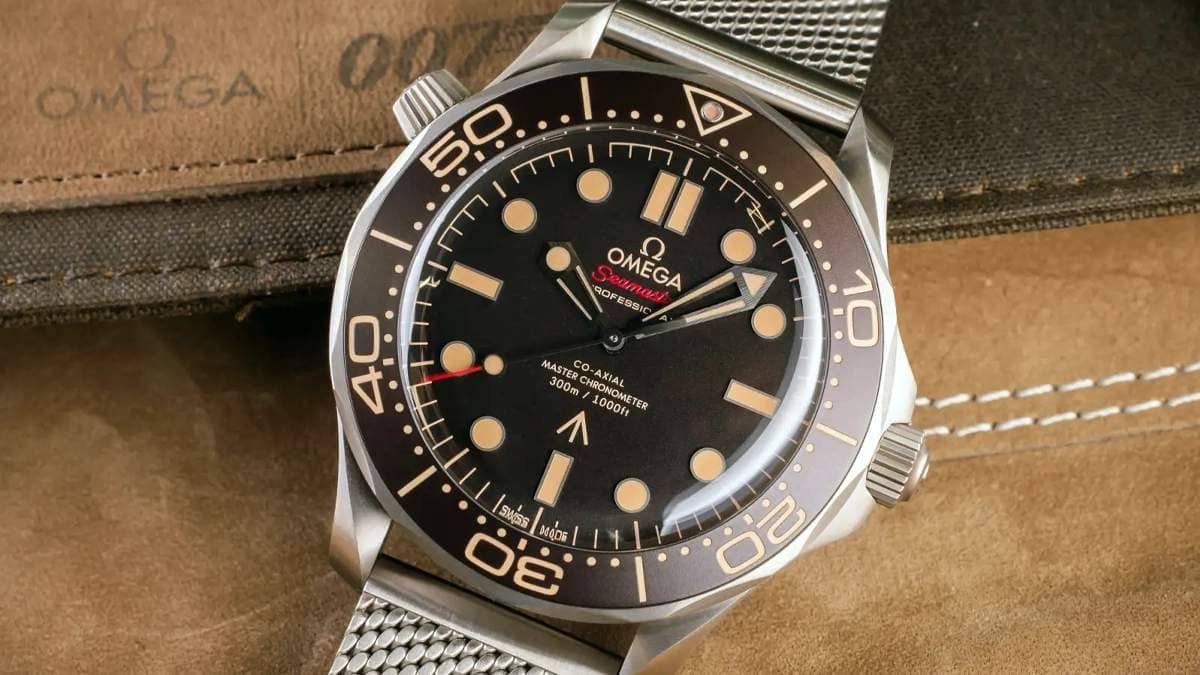
The Omega Speedmaster collection arguably represents one of the most famous Swiss watch brands in the world. Since its introduction in 1948, the Submariner has been synonymous with luxury and diving. The Omega Seamaster Diver 300M remains one of the most iconic pieces in the Omega catalog, beloved for both its technical performance and stylish design. The Co-Axial movement, which powers many of Omega’s dive watches, is another key feature that distinguishes the Seamaster from its competitors. This movement offers not only enhanced precision but also improved durability and reduced friction, which in turn extends the watch’s lifespan.
One of the standout features of the Omega Seamaster is its ability to withstand magnetic fields up to 15,000 gauss. This is an impressive feat that makes the watch ideal for those working in environments with high electromagnetic interference. In terms of water resistance, the Seamaster also holds its own with a rating of 300 meters, making it equally capable as the Submariner for professional diving.
The watch’s design is unique and instantly recognizable, thanks to the signature wave-patterned dial and distinctive skeleton hands. While the Omega Seamaster features are highly functional, including the ceramic bezel for durability and the easy-to-use helium escape valve for deep-sea divers, the overall look is more modern compared to the Rolex Submariner. The Omega Seamaster performance is outstanding, especially when considering its more accessible price point compared to the Submariner, making it an attractive choice for luxury dive watch lovers.
Both watches carry the weight of history and have their respective fanbases, but the choice between the two comes down to personal preference. The Omega Seamaster vs Rolex Submariner debate often boils down to design, price, and brand loyalty. For some, the Submariner’s classic look and established prestige make it the obvious choice, while for others, the Seamaster’s cutting-edge technology and modern appeal win out. Whichever way you lean, both are undeniably some of the best diving watches you can get your hands on in 2025.
Rolex Submariner
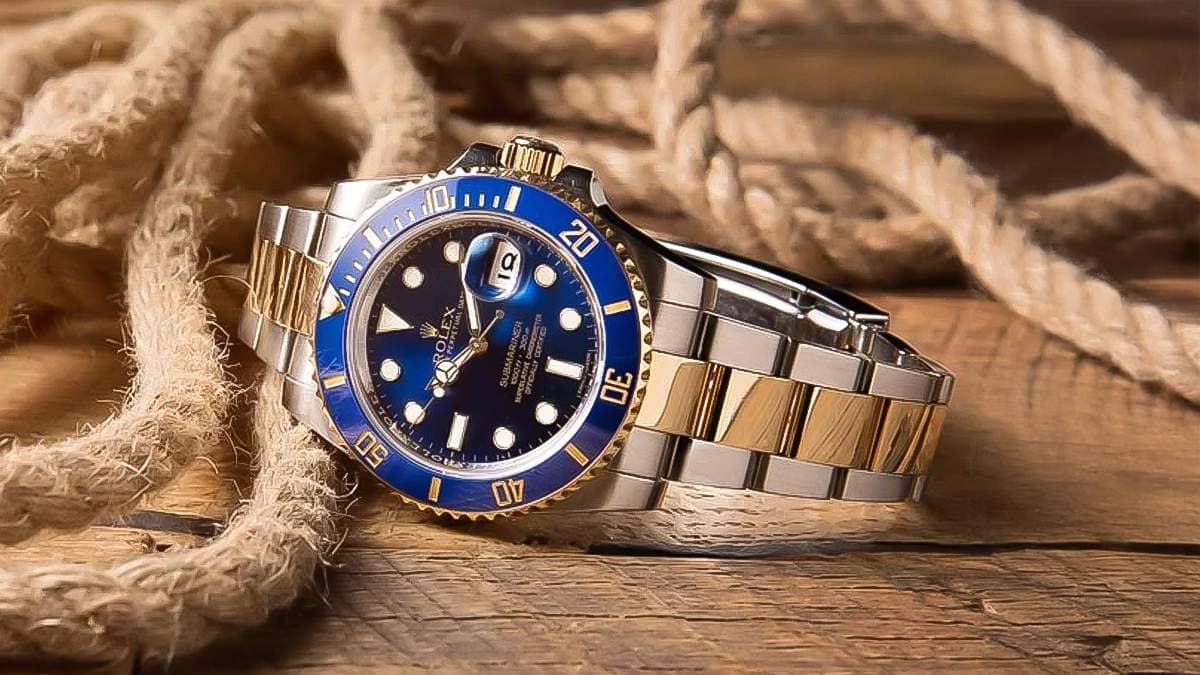
On the other side of the diving watch spectrum, we have the Rolex Submariner a timepiece that has built a legacy of its own since its debut in 1953. Originally created to withstand the rigors of deep-sea diving, the Submariner was a pioneer, offering a water resistance of 100 meters in its early days, later evolving to a remarkable 300 meters. This made it one of the best luxury dive watches for both professional and recreational divers.
What truly sets the Rolex Submariner apart is the legendary Rolex movement that powers it. Modern versions are equipped with the Caliber 3235, which offers a 70-hour power reserve. This movement is renowned for its precision and reliability, qualities that have helped the Submariner cement its place in watchmaking history. The addition of a Cerachrom ceramic bezel has also enhanced the durability and scratch resistance of the watch. The bezel’s unidirectional rotation prevents accidental movement, a crucial feature for divers who rely on precise time tracking underwater.
The Submariner’s appeal extends far beyond the diving world. With a classic design that has remained largely unchanged over the years, the watch is just as appropriate for a formal dinner as it is for a deep-sea exploration. Rolex’s reputation for creating durable, high-quality timepieces makes the Submariner not just a tool, but a statement of style, luxury, and performance.
Omega Seamaster vs Rolex Submariner
When we dive into the world of luxury dive watches, the Rolex Submariner and the Omega Seamaster often dominate the conversation. These Swiss watch brands have created legendary timepieces that not only cater to the diving community but also attract watch enthusiasts from all walks of life. So, which one stands out when it comes to features, functionality, and popularity? Let’s take a closer look at how the Omega Seamaster vs Rolex Submariner debate plays out across key aspects.
Features
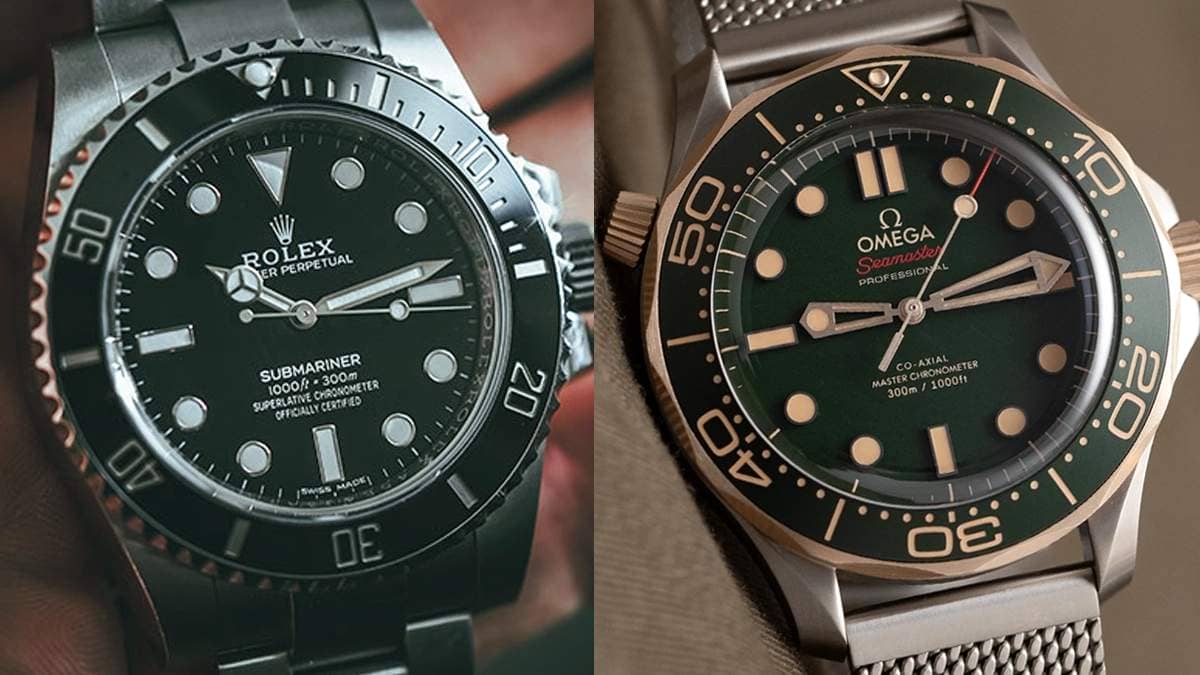
When comparing the features of these two iconic watches, we find that both offer remarkable technology, but with their own unique twists. The Rolex Submariner comes equipped with the Rolex movement, specifically the Caliber 3235. This movement is renowned for its precision, offering an impressive 70-hour power reserve, ensuring that your watch keeps ticking even after you take it off for a few days. The 904L stainless steel used in the Submariner is known for its exceptional resistance to corrosion, making it a solid companion for underwater adventures. The Rolex Submariner features include a unidirectional rotatable bezel with a Cerachrom ceramic bezel insert, which offers not just durability but also scratch resistance, ideal for those who need a tough watch. The bracelet, made from Oystersteel, also includes the innovative Glidelock clasp, making it easy to adjust the fit even over a wetsuit.
On the other hand, the Omega Seamaster comes with the Co-Axial movement, specifically the Master Chronometer Caliber 8800. This movement offers a slightly shorter power reserve of 55 hours but compensates with superior resistance to magnetic fields up to 15,000 gauss, something the Rolex cannot match. In addition, the Omega Seamaster features a ceramic bezel that rotates smoothly, allowing divers to track elapsed time underwater with precision. The Omega Seamaster Diver 300M review praises its wave-patterned dial and skeleton hands, which make it not only functional but visually distinctive. While the Omega’s bracelet design is comfortable, it does fall short compared to the Rolex in terms of refinement and premium feel. Both watches boast exceptional craftsmanship, but the choice between the two will depend on what you prioritize—precision or innovation in movement.
Functionality
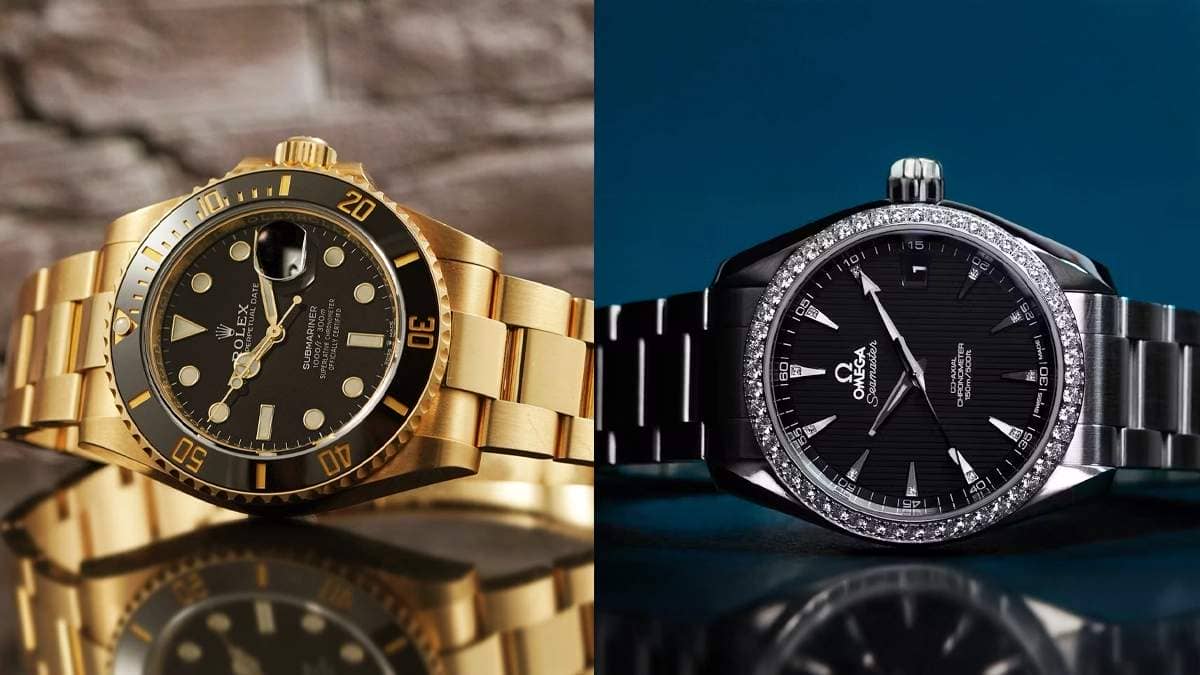
In terms of functionality, both watches are built to withstand the pressures of diving, offering a water resistance rating of 300 meters. This makes both the Omega Seamaster performance and the Rolex Submariner features perfect for professional diving. The Rolex Submariner is known for its reliability under pressure, with features like the Chromalight luminescence ensuring excellent visibility in low-light conditions. This is a key factor for divers who need clarity when checking their watch during deeper dives. Moreover, the unidirectional bezel ensures that divers can only accidentally shorten their dive time, an essential safety feature.
The Omega Seamaster, meanwhile, doesn’t fall behind in terms of functionality. It also offers magnetic resistance and a well-calibrated ceramic bezel that rotates smoothly. While the Omega Seamaster Diver 300M may feel slightly bulkier on smaller wrists, the comfort of the bracelet is still appreciated by most users. However, some have pointed out that the bracelet comfort could be improved for long-wear situations. One area where the Omega excels is in legibility; its wave-patterned dial and bold skeleton hands make it easy to read the time, even in murky underwater conditions.
Popularity
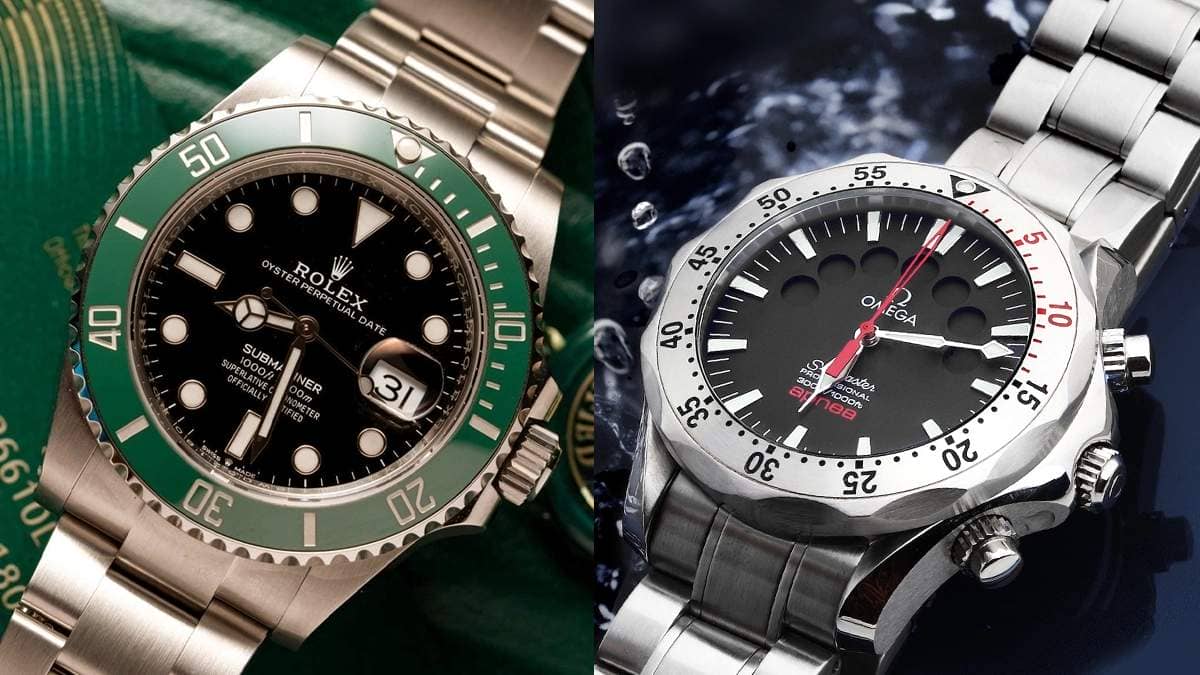
Now, let’s talk about the popularity of these two icons. Rolex has long been regarded as the watchmaking king, and the Rolex Submariner has solidified its position as a luxury dive watch that is synonymous with status and precision. The Submariner’s resale value remains high, with models often appreciating over time, making it a solid investment. It is also a cultural icon, thanks in part to its appearance in James Bond films, further enhancing its desirability. However, the demand for the Submariner often outweighs its availability, leading to waitlists and a high retail price.
On the other hand, the Omega Seamaster has seen a rise in popularity, particularly due to its association with James Bond since 1995. While Omega Seamaster watch reviews often praise its innovation, affordability, and superior technology, the watch does not carry the same prestige as Rolex. Despite this, the Seamaster offers a more accessible price point without compromising on features, making it an appealing option for those seeking a luxury dive watch that delivers on performance and value. The Omega Seamaster Diver 300M continues to evolve, maintaining its relevance in a market increasingly dominated by collectors and enthusiasts alike.
Both watches carry significant weight in the world of dive watches, but whether you gravitate toward the Rolex Submariner ceramic bezel for its iconic status or the Omega Seamaster features for its modern innovations, it’s clear that both watches are among the best luxury dive watches in 2025.
Conclusion: Is There A Winner In These Luxury Dive Watches?
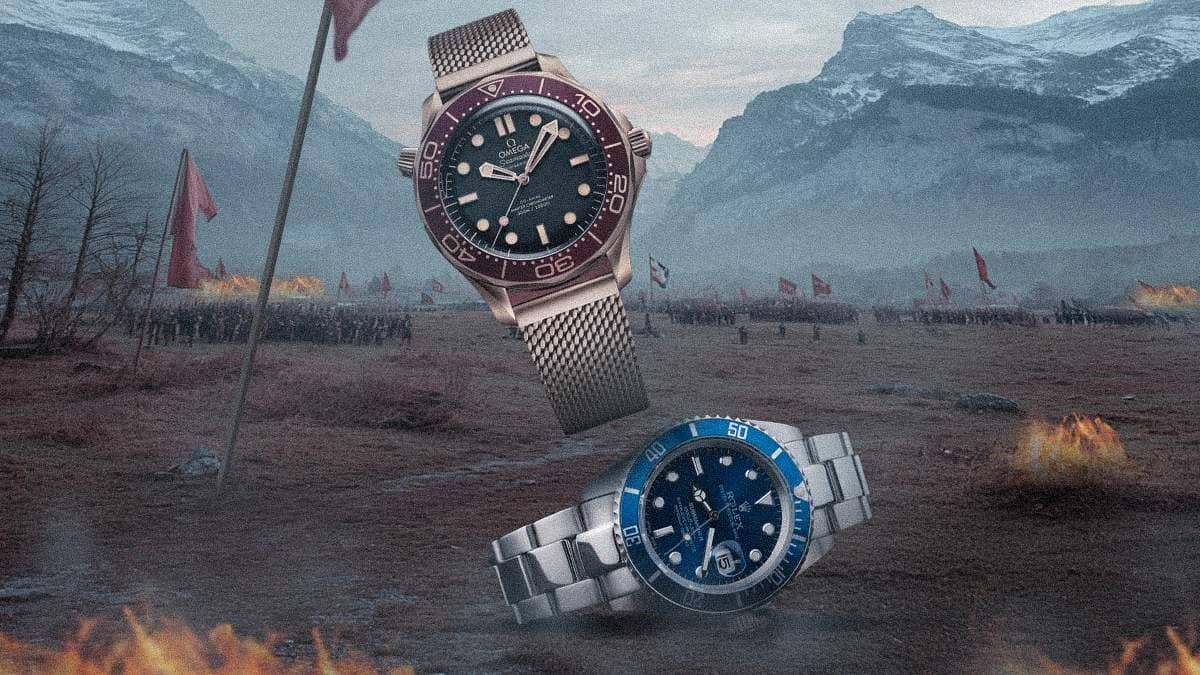
While both the watches come within inches of each other, there’s a clear winner that outshines the other here. The Omega Seamaster is clearly better than the Rolex Submariner when it comes to performance, innovation, and value. The Co-Axial movement in the Omega offers superior anti-magnetic capabilities and Master Chronometer certification, which gives it a significant edge over the Rolex movement, all at a more accessible price.
For those seeking the best diving watches, the Seamaster Diver 300M offers the same 300 meters of water resistance as the Submariner, while the Planet Ocean variant exceeds it, making it a better choice for extreme diving conditions.
Additionally, the Seamaster’s availability, variety of designs, and value-for-money ratio make it a more practical, durable, and versatile choice compared to the Submariner. While Rolex carries prestige, the Omega Seamaster’s features, combined with its superior pricing and accessibility, make it the better option for most watch enthusiasts today. Sorry Rolex!