

- May 16, 2025
- Watch Gonzo
- 0
Too long we’ve seen people wondering which watch movement truly deserves their attention—the precise, innovative pulse inside every timepiece. When it comes to choosing between Japanese movements and Swiss movements, the debate isn’t just about geography; it’s about heritage, engineering, and what kind of ticking heart we want in our wrist. So, let’s dive deep into the world of watch calibers, peeling back the layers of this crucial choice with clarity and a little flair, focusing on the practical and technical, but with a wink to the aficionados among us.
Why the Movement of Your Watch Matters: A Detailed Explanation

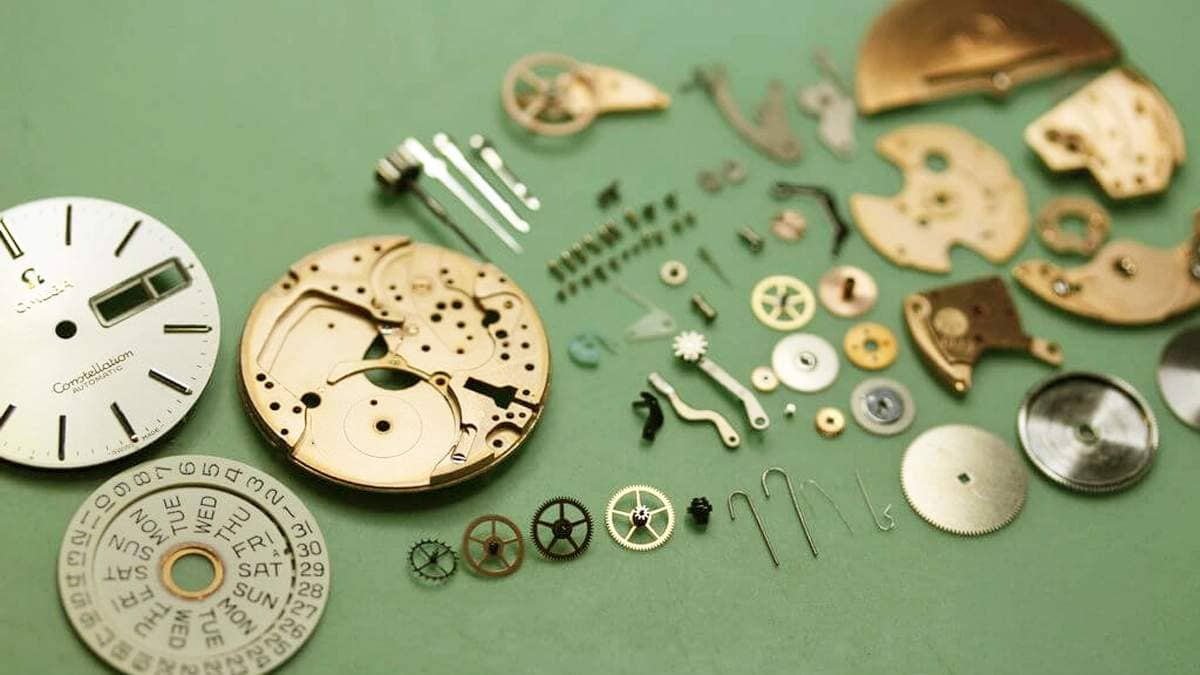
At the very core of every watch lies the movement, often called the caliber, the true engine that powers the hands and any complications adorning the dial. Without this vital component, the watch is nothing more than a pretty face. It’s the movement that determines accuracy, reliability, longevity, and the overall experience of owning a fine timepiece. Movements generally fall into two camps: mechanical (manual wind or automatic) and quartz, each with distinct characteristics shaping their performance and maintenance.
Movement As The Core:
The accuracy and precision of a watch depend heavily on its movement. Mechanical calibers, whether Japanese or Swiss, typically exhibit variations in the order of seconds per day, whereas quartz movements, powered by batteries, boast precision measured in seconds per month or year. The design, craftsmanship, and regulation of the movement all play a significant role here. For example, many popular Swiss watch brands equip their watches with chronometer-certified movements that can keep time within -4/+6 seconds per day. In contrast, robust Japanese mechanical movements like the Miyota 8215 might see accuracy fluctuate by ±20 seconds per day, but they make up for it with unparalleled reliability and ease of service.
Precise Timekeeping:
Speaking of reliability, the movement dictates how long our watches can tick along faithfully. Swiss watch brands have long been celebrated for movements that marry intricate engineering with traditional craftsmanship, often housing complications that require expert care. Japanese movements, on the other hand, are often prized for their ruggedness and straightforward construction, making them excellent candidates for watches meant to endure daily wear with minimal fuss. This practical robustness means that even though some Swiss movements boast complexity, the simpler Japanese calibers can outlast them in demanding situations.
Less Maintenance:
Maintenance is another battlefield where movement choice really matters. Mechanical watches require servicing every 3 to 5 years, and movements like the ETA 2824-2 from Swiss top watchmakers are a global favorite, well understood by watchmakers worldwide. This means parts and expertise are widely available, making upkeep more affordable and less stressful. Conversely, highly specialized or proprietary calibers from Swiss luxury brands may demand expensive servicing, sometimes only achievable at authorized service centers, adding a layer of exclusivity and cost to ownership. Japanese movements shine here by offering straightforward servicing and longevity, reducing the hassle for us who just want a reliable timekeeper.
Complications:
When it comes to complications, the movement is king. Whether you want a basic three-hand watch or something more complex like a perpetual calendar or a chronograph, the movement determines what’s possible. Swiss calibers often incorporate high-end complications with exquisite finishing, giving iconic Swiss watches their legendary status. Yet, Japanese movements often take a modular approach, allowing for a wide variety of functions while maintaining durability and accessibility. So, depending on your needs, both camps offer impressive versatility.
Power Reserve And Winding:
Power reserve and winding mechanisms are essential factors to consider as well. Many Swiss movements provide power reserves in the 40 to 70-hour range, with some modern in-house calibers extending even further. Japanese automatics often hover around 40 hours but make up for it with reliability and ease of winding. Quartz watches, favored by some top Swiss watchmakers for their precision, run on batteries lasting years but require replacements, trading mechanical tradition for convenience. Whether you prefer the ritual of manual winding or the practicality of an automatic, the movement defines your interaction with the watch.
Built Quality:
Material quality within the movement is not to be overlooked. Swiss calibers frequently incorporate advanced materials like silicon escapements and ceramic components to reduce friction and extend service intervals, adding to the prestige and technological edge of popular Swiss watch brands. Japanese movements may not flaunt such exotic materials but rely on proven engineering and robust components to ensure durability, often at a more accessible price point.
Technological Advancements:
Innovations in movement technology have pushed both Japanese and Swiss watchmakers to excel. Seiko’s Spring Drive, for instance, uniquely blends mechanical and quartz technology to deliver astonishing ±1 second per day accuracy, a testament to Japanese ingenuity. Meanwhile, Swiss brands have introduced the Co-Axial escapement, which reduces friction and lengthens service intervals, and high-frequency movements like Zenith’s El Primero, which enable smoother sweeping seconds hands and better precision. Each advancement shapes the user’s experience and the watch’s longevity.
Impact On Watch Value:
The movement also directly influences the watch’s value and heritage. Watches powered by revered Swiss calibers from brands like Patek Philippe or Rolex are prized collectables, often appreciating over time. Conversely, Japanese movements, while immensely respected for their practicality and reliability, tend to appeal more to those who value performance and durability over the cachet of heritage. This doesn’t diminish their appeal but rather highlights the different priorities between Swiss luxury and Japanese functionality.
Japanese Watch Movements: An In-Depth Analysis
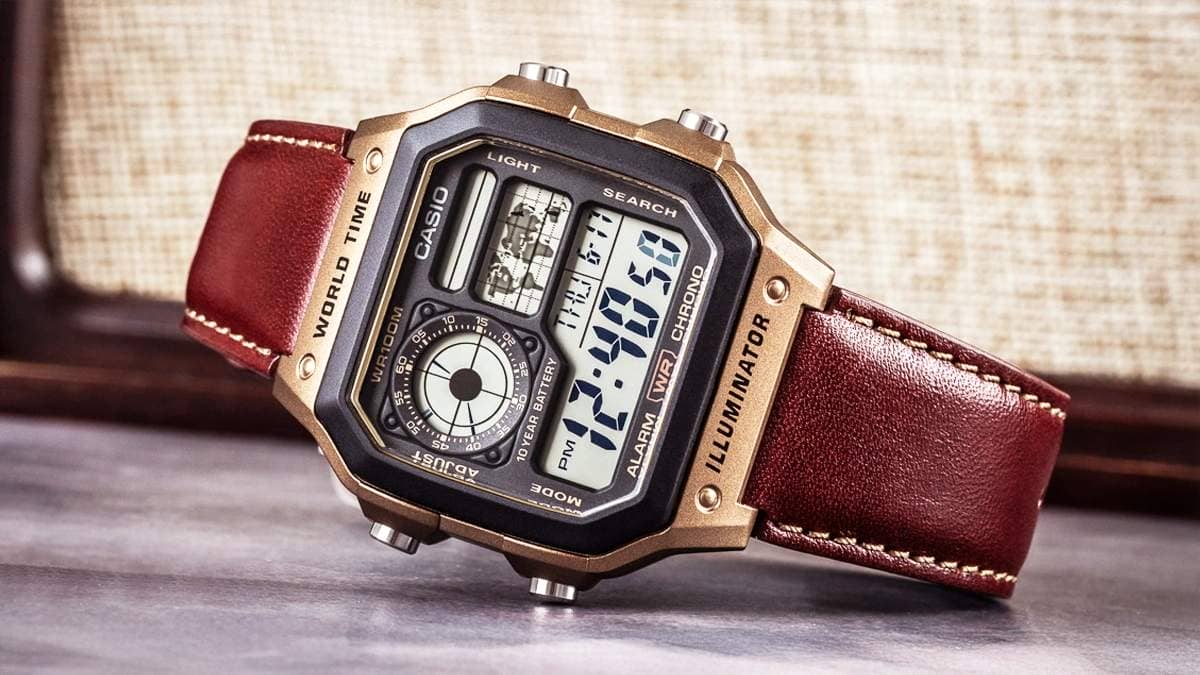
When it comes to Japanese watch movements, what stands out immediately is the remarkable blend of innovation, reliability, and affordability. Major players here include Seiko, Citizen’s Miyota, and Grand Seiko, which sits at the luxury end of the spectrum. Their movements may not always carry the glitz of some Swiss calibers, but they more than make up for it with a commitment to robust engineering and smart technology.
Take the Miyota 8215 from Citizen, for example. This automatic movement has become a staple in many affordable mechanical watches. It runs at 21,600 vibrations per hour and offers a respectable 42-hour power reserve, with a simple day-date complication. What really makes it a crowd-pleaser is its legendary durability and ease of servicing. This is a movement built to shrug off daily wear and tear while staying reliably accurate to around ±20 seconds per day. Brands that want to deliver mechanical timekeeping without breaking the bank lean on the Miyota 8215 heavily, proving that affordability and quality can coexist.
Then there’s Seiko’s 4R35 caliber, often found in models like the Seiko SKX007 or SARB033. This movement raised the bar by introducing hacking seconds and manual winding—features that enhance precision and usability. Though it has a wider accuracy tolerance of ±45 seconds per day, it compensates with ruggedness and a 41-hour power reserve, making it a trusted companion for many enthusiasts. The 4R35 reflects Japanese watch design’s pragmatic approach: focus on solid, no-nonsense engineering that lasts.
At the very pinnacle, Grand Seiko’s Spring Drive movement (like the 9R65) merges mechanical craft with quartz precision, delivering an astounding ±1 second per day accuracy. The hybrid mechanism regulates a traditional mainspring-driven movement with an electronic quartz oscillator, resulting in a silky smooth seconds hand glide—quiet and mesmerizing. With a 72-hour power reserve and a power reserve indicator, it exemplifies how Japanese innovation can rival Swiss tradition while offering something uniquely refined.
Japanese watch movements shine through their smart engineering advances—from pioneering quartz technology in the ’60s to shock-resistant constructions and accessible automatic calibers. Whether it’s the no-frills reliability of Miyota or the high-tech wizardry of Spring Drive, Japanese movements have earned their place as a practical, high-performing alternative to Swiss counterparts.
Swiss Watch Movements: A Detailed Examination
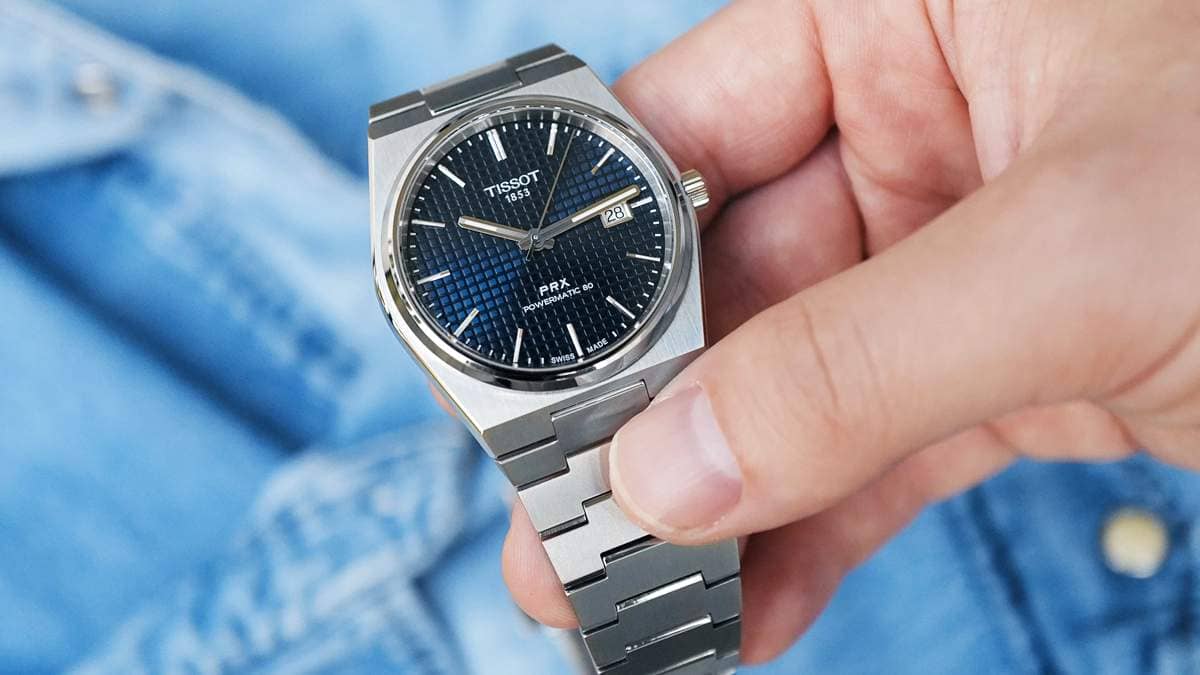
Switching gears to Swiss movements, we enter a world where centuries-old traditions meet cutting-edge craftsmanship. Swiss watch brands are famous for their meticulous finishing, precision engineering, and a certain je ne sais quoi that turns movements into miniature works of art. These movements underpin some of the most iconic Swiss watches on the market today, revered for both performance and prestige.
The ETA 2824-2 is the workhorse of the Swiss watch industry—a reliable, well-built automatic movement found across countless timepieces. Running at 28,800 vibrations per hour and offering about 38 to 42 hours of power reserve, it balances accuracy (±12 seconds per day when regulated) with serviceability. Its modular design means brands can customize finishes or add features without reinventing the wheel. This caliber has become a favorite among popular Swiss watch brands for its robustness and widespread availability, ensuring that servicing remains straightforward and affordable.
For those seeking chronograph functionality, the ETA 7750 stands out as an industry icon. This automatic chronograph movement powers everything from the Breitling Navitimer to earlier versions of the Omega Speedmaster. It packs a 42-hour power reserve, a hacking seconds hand, day-date complication, and a stopwatch function with a 12-hour counter. The 7750’s reliability and versatility have earned it a legendary status, combining ruggedness with the complexity chronograph lovers crave. It’s a Swiss movement that perfectly balances performance with mass-market appeal.
At the pinnacle of Swiss haute horlogerie, we find movements like Patek Philippe’s Caliber 324 SC. Entirely developed in-house, this caliber boasts ultra-precise regulation (±3 to ±4 seconds per day), a slim profile, and exquisite hand-finishing that makes it as much a work of art as a mechanism. Power reserve clocks in at 45 hours, and the movement includes date and central seconds functions. This caliber exemplifies the luxury Swiss watch brands’ dedication to elevating mechanical watchmaking to an art form, blending precision, thinness, and timeless elegance.
Swiss movements have also been a hotbed for innovation. From the chronograph breakthroughs of the ETA 7750 to the Co-Axial escapement pioneered by Omega, and Rolex’s use of Parachrom balance springs for magnetic resistance, the Swiss continue to push the boundaries. Their movements often feature advanced materials and finishing techniques, which not only enhance performance but also help iconic Swiss watches retain value and desirability over decades.
Japanese Movements Vs Swiss Movements: Analysis

When it comes to Japanese movements vs Swiss movements, what we’re really witnessing is a clash of two watchmaking philosophies that reflect the values and priorities of their cultures. The Japanese approach, embodied by top Japanese watch brands like Seiko, Citizen, and Orient, focuses on creating movements that are robust, reliable, and surprisingly innovative—all while remaining highly accessible. Take the Grand Seiko Spring Drive, for instance: it’s a masterpiece of hybrid engineering that blends mechanical craftsmanship with quartz precision, delivering accuracy that even many Swiss-made movements envy. This spirit of practical innovation shines through in their everyday workhorse calibers like the Miyota 8215 and Seiko 4R series, which emphasize durability and ease of maintenance without sacrificing decent accuracy.
Swiss movements, on the other hand, represent centuries of watchmaking tradition, where artistry and mechanical finesse take center stage. Brands like Patek Philippe, Rolex, and Omega don’t just build movements—they craft miniature works of art with hand-finishing, advanced materials, and certified precision. Swiss-made movements often operate at a frequency optimized for smoothness and accuracy, and innovations like Omega’s Co-Axial escapement have pushed the technical envelope further. Yet, this sophistication comes at a cost: Swiss movements can be more complex to service, and their luxury status often pushes prices higher.
What really sets the two apart in practical terms is their target audience. Japanese movements excel in delivering reliable, cost-effective, and innovative watch mechanics that keep ticking through daily wear and tear. They democratize precision watchmaking by making it more approachable without losing technical merit. Swiss movements cater to those who value traditional craftsmanship, exclusivity, and a storied heritage, often rewarding collectors and enthusiasts who appreciate the finer details beneath the dial.
So, if you want a watch that’s a tough, precise companion with clever engineering at a fair price, Japanese movements are hard to beat. But if your watch is a statement of luxury, heritage, and mechanical artistry, Swiss-made movements remain unmatched. Both are exceptional in their own right—it all depends on what you want your watch to say about you.
Conclusion: Which To Choose?
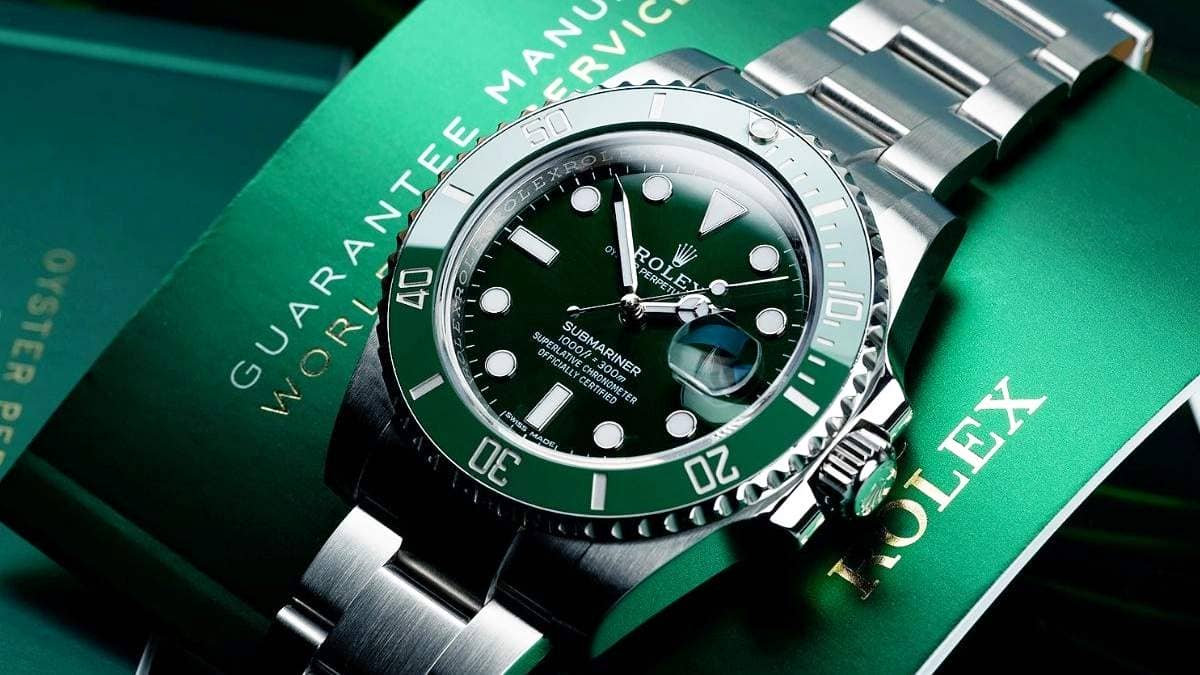
Ultimately, choosing between Japanese and Swiss movements comes down to what you value most. For everyday toughness, innovative technology, and great value, Japanese movements lead the pack. In the end, we do have to choose and choose we will. We’re sure it’ll come as no surprise that Swiss movements stand better than Japanese movements, considering the craftsmanship and legacy of watchmaking and recurring advancements. It may be a tad heavier on your wallet, but we promise it’ll be worth it.